
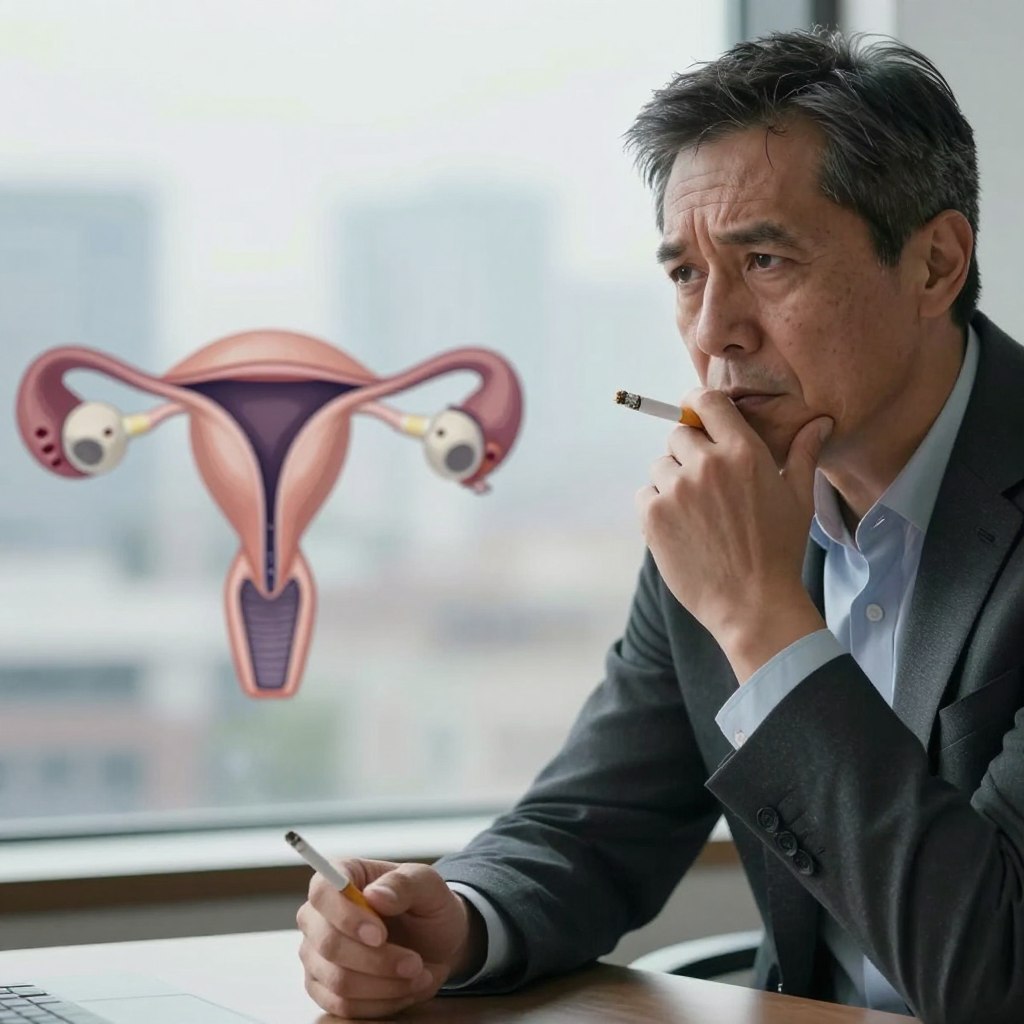
The link between nicotine consumption and erectile dysfunction has become a hot topic. Studies show that nicotine, found in tobacco, can harm male sexual health.
Nicotine affects the body in many ways, including sexual health. Knowing how it impacts erectile function is key for those worried about their health.
Key Takeaways
- Nicotine consumption is linked to an increased risk of erectile dysfunction.
- The physiological effects of nicotine can impair male sexual health.
- Understanding the risks associated with nicotine is essential for maintaining healthy sexual function.
- Nicotine’s impact on erectile function is a significant concern for smokers.
- Quitting nicotine can help mitigate the risk of erectile dysfunction.
Understanding Erectile Dysfunction
To understand erectile dysfunction, we need to know what it is and why it happens. Erectile dysfunction (ED) is when a man can’t get or keep an erection long enough for sex.
What is Erectile Dysfunction?
Erectile dysfunction means a man can’t get or keep an erection. It’s a common issue caused by physical, mental, and lifestyle factors. Knowing the causes helps in finding the right treatment.
Common Causes of Erectile Dysfunction
Many things can cause erectile dysfunction. Heart disease, diabetes, being overweight, and some medicines are examples. Smoking and drinking too much alcohol also contribute.
| Cause | Description | Impact on ED |
|---|---|---|
| Cardiovascular Disease | Conditions affecting the heart and blood vessels | Increased risk due to reduced blood flow |
| Diabetes | High blood sugar levels over a prolonged period | Nerve damage and reduced blood flow |
| Smoking | The act of inhaling and exhaling tobacco smoke | Damages blood vessels, reducing blood flow |
Smoking is linked to erectile dysfunction. It harms blood vessels and cuts down blood flow. Knowing this can help treat the condition better.
The Role of Nicotine in the Body
Nicotine has wide-ranging effects on the body, impacting cardiovascular health and neural function. It’s a stimulant in tobacco products, affecting many health areas. This includes erectile function.
How Nicotine Affects Blood Flow
Nicotine makes blood vessels constrict, or narrow. This reduces blood flow to areas like the penis, needed for erections. Research links poor blood flow to erectile dysfunction (ED).
Nicotine damages endothelial cells in blood vessels. This leads to less nitric oxide, key for blood vessel relaxation. So, blood flow increases less.
Primal Grow Pro – Top Male Enhancement Solution | Supplements – health

Buy now
The Impact of Nicotine on Nerve Function
Nicotine also harms nerve function, key for erections. Nerves send signals for erections. Nicotine’s effect on nerves can disrupt these signals, impacting sexual health.
| Nicotine’s Effects | Impact on Erectile Health |
|---|---|
| Vasoconstriction | Reduced blood flow to the penis |
| Endothelial dysfunction | Decreased nitric oxide production |
| Impaired nerve signaling | Affects initiation and maintenance of erection |
Knowing how nicotine affects the body shows its link to erectile dysfunction. It impacts blood flow and nerve function. This is important for those wanting to protect their erectile health from nicotine.
Evidence Linking Nicotine and Erectile Dysfunction
Looking into the link between nicotine and erectile dysfunction shows a complex mix of factors. Nicotine’s effect on male sexual health is a big topic. Studies have focused on how smoking and vaping might harm sexual performance.
Studies on Smokers and ED
Many studies have found a strong link between smoking and erectile dysfunction. Smoking harms blood vessels, which is bad for getting an erection. A study in the Journal of Sexual Medicine showed smoking increases ED risk, especially in young men.
Smoking damages blood vessels and the nervous system, making it harder to get an erection. The vasoconstrictive effects of nicotine are a big part of this problem.
Research Findings on Vaping and ED
Vaping has brought up new worries about nicotine’s effect on erections. Early studies suggest vaping could also harm erectile function. A study at the American Heart Association’s sessions found e-cigarettes might hurt vascular health, which affects erections.
| Study | Sample Size | Key Findings |
|---|---|---|
| Journal of Sexual Medicine | 1000 participants | Smoking associated with increased risk of ED, particularly in younger men. |
| American Heart Association’s scientific sessions | 500 participants | E-cigarette use potentially detrimental to vascular health, impacting erectile function. |
In summary, the link between nicotine and erectile dysfunction is clear. Both smoking and vaping pose risks. It’s important to understand these risks to protect male sexual health.
The Mechanism of Nicotine-Induced ED
To understand how nicotine causes erectile dysfunction, we need to look at its effects on blood vessels and hormones. Nicotine, found in tobacco, has many effects on the body that can harm erectile function.
How Nicotine Affects Blood Vessels
Nicotine’s impact on blood vessels is key to its role in erectile dysfunction. It can cause vasoconstriction, or the narrowing of blood vessels. This reduces blood flow to the penis, which is essential for an erection.
- Nicotine can damage the inner lining of blood vessels, making them less flexible and more prone to blockages.
- The reduction in blood flow not only affects erectile function but also contributes to the overall cardiovascular risk associated with nicotine use.
Interaction with Hormones
Nicotine also affects the body’s hormonal system, which is vital for sexual health. Testosterone, a key hormone for male sexual function, can be impacted by nicotine.
Studies show that nicotine can change hormone levels in the body, possibly lowering testosterone. This hormonal imbalance can also lead to erectile dysfunction.
- Nicotine exposure can disrupt the normal production of hormones necessary for sexual health.
- The impact on hormone regulation can vary depending on the duration and intensity of nicotine use.
In conclusion, nicotine’s effect on erectile dysfunction is complex, involving blood vessels and hormones. Understanding these effects is key to addressing the sexual health impacts of nicotine.
Comparison: Smoking vs. Vaping
Smoking and vaping are two common ways to get nicotine. But they affect erectile dysfunction (ED) differently. Knowing these differences is key for those worried about their sex health.
Differences in Impact on Erectile Function
Smoking traditional cigarettes harms blood vessels and reduces blood flow to the penis. This makes it hard to get or keep an erection. Vaping, which uses e-cigarettes, is seen as safer. Yet, research shows vaping can also harm erectile function, mainly because of nicotine and other harmful chemicals in e-liquids.
Nicotine’s Role: Both smoking and vaping involve nicotine, which is a major factor in ED. Nicotine narrows blood vessels, reducing blood flow and possibly causing ED.
| Aspect | Smoking | Vaping |
|---|---|---|
| Chemicals Involved | Tar, carbon monoxide, thousands of other chemicals | Nicotine, propylene glycol, glycerin, flavorings |
| Impact on Erectile Function | Well-documented risk factor for ED | Potential risk due to nicotine and other chemicals |
| Nicotine Delivery | Delivers nicotine, contributing to addiction and ED | Also delivers nicotine, with similar risks |
Long-Term Effects of Both
Smoking’s long-term effects on erectile health are clear, increasing the risk of ED and heart disease. Vaping’s long-term effects are still being studied. Early research suggests vaping could also harm erectile health, especially because of nicotine.
“The use of e-cigarettes, or vaping products, has been associated with a range of health risks, including potential impacts on cardiovascular health and, by extension, erectile function.”
In conclusion, both smoking and vaping can harm erectile health, but in different ways. Knowing these differences helps people make better choices about nicotine and their health.
Other Lifestyle Factors Contributing to ED
Erectile dysfunction is a complex issue, influenced by many lifestyle factors. Nicotine’s effect on erectile function is significant. But, understanding the broader context of ED is key for effective care.
Obesity and Erectile Dysfunction
Obesity is a known risk factor for erectile dysfunction. The relationship between obesity and ED is intricate. It involves insulin resistance, inflammation, and hormonal imbalances. Studies have shown that obese men are more likely to experience ED, making weight management crucial for erectile health.
Obesity affects erectile function in several ways:
- Insulin resistance and type 2 diabetes, common in obese individuals, damage blood vessels and nerves, impairing erectile function.
- Obesity-related hormonal imbalances, particularly low testosterone, can directly affect libido and erectile capability.
- Inflammation associated with obesity can impair blood flow and damage the endothelial cells lining blood vessels, further contributing to ED.

The Role of Alcohol Consumption
Alcohol consumption is another lifestyle factor that significantly impacts erectile function. While moderate alcohol use may not cause significant issues for some men, excessive alcohol consumption can lead to erectile dysfunction. Chronic heavy drinking can damage the nerves and blood vessels crucial for achieving and maintaining an erection.
The effects of alcohol on erectile function can be both short-term and long-term:
- In the short term, alcohol can impair the nervous system’s ability to initiate an erection and can also affect hormone levels, particularly testosterone.
- Long-term heavy drinking can lead to permanent damage to the nerves and blood vessels, resulting in chronic erectile dysfunction.
Understanding these lifestyle factors is crucial for addressing erectile dysfunction comprehensively. By addressing obesity and moderating alcohol consumption, individuals can significantly improve their erectile health and overall well-being.
Psychological Aspects of ED
Understanding erectile dysfunction (ED) is key. Stress, anxiety, and mental health are big factors. Nicotine also plays a role in ED.
Stress and Anxiety
Stress and anxiety can cause ED. Stress hormones like cortisol and adrenaline can mess with the body’s systems. Nicotine can make it worse by narrowing blood vessels and affecting nerves.
Anxiety, especially about performance, can create a cycle. Fear of not getting an erection makes anxiety worse. This cycle is hard to break without fixing the psychological issues.
The Connection Between Mental Health and ED
Mental health is linked to ED. Depression and anxiety can hurt sexual function. Nicotine can make things worse by being used to cope with stress and anxiety.
People with ED often feel more stressed. Treating mental health is key to fixing ED. It’s also important to think about how nicotine affects mental health when treating ED.
Age and Erectile Dysfunction
The link between age and erectile dysfunction is complex. It involves many changes that happen as men get older. Knowing about this connection is key to dealing with it well.
How Aging Affects ED Risk
As men age, their bodies go through many changes. These changes can affect how well they can get an erection. Some important factors include:
- Vascular changes: Older men’s arteries can harden, making it harder for blood to reach the penis.
- Hormonal changes: Lower levels of testosterone can make it harder to get an erection.
- Nerve damage: Men over 50 might get nerve damage from diabetes, making ED worse.
These changes can raise the risk of erectile dysfunction. It’s important for older men to know about these risks and talk to their doctor.
The Role of Nicotine in Aging Men
Nicotine can make erectile dysfunction worse in older men. Nicotine and impotence are closely related. Nicotine can hurt blood flow and nerve function, which are important for getting and keeping an erection.
Using nicotine and getting older can be very bad for erectile health. Research shows that smoking can make blood vessels age faster, making it harder to get an erection.
Key considerations for aging men include:
- Understanding how nicotine and aging can harm erectile health.
- Talking to a doctor about these risks to find ways to prevent or treat them.
- Thinking about making lifestyle changes, like quitting nicotine, to lower the risk of ED.
By tackling both age-related changes and nicotine use, men can work to keep their erectile health good.
Treatment Options for ED
Treating erectile dysfunction often involves a multi-faceted approach. This includes lifestyle adjustments and medical interventions. Men experiencing ED can benefit from exploring these various treatment options to find what works best for them.
Lifestyle Changes and Their Benefits
Making certain lifestyle changes can significantly improve erectile function. Quitting smoking is one of the most impactful changes. Smoking is a major risk factor for ED due to its effects on blood flow and vascular health. Other beneficial changes include:
- Increasing physical activity through regular exercise
- Maintaining a healthy weight to reduce the risk of conditions like diabetes and heart disease
- Eating a balanced diet rich in fruits, vegetables, and whole grains
- Limiting alcohol consumption to moderate levels
- Managing stress through techniques like meditation or therapy
These lifestyle modifications not only help with ED but also contribute to overall health and well-being. As noted by health experts, “Lifestyle changes can be as effective as medication for some men with ED, and they offer the added benefit of improving overall health.”
“Adopting a healthier lifestyle can significantly improve erectile function and overall quality of life.”
Medical Treatments Available
For men who require more than lifestyle changes, various medical treatments are available. These include:
- Oral medications like sildenafil (Viagra) and tadalafil (Cialis) that help increase blood flow to the penis
- Vacuum erection devices that use a vacuum pump to draw blood into the penis
- Penile implants, which are surgical devices implanted in the penis to enable erections
- Hormone therapy for men with hormonal imbalances contributing to ED

It’s essential for men experiencing ED to consult with a healthcare provider. They can determine the most appropriate treatment plan. Addressing underlying conditions such as diabetes, high blood pressure, or hormonal imbalances is crucial.
By combining lifestyle changes with medical treatments when necessary, men can effectively manage ED. This improves their sexual health.
Quitting Nicotine: Benefits for Erectile Function
Deciding to quit nicotine is a big step towards better male sexual health. Nicotine, found in tobacco and e-cigarettes, harms erectile function. Quitting can lead to big improvements in sexual health.
Short-Term Improvements
Quitting nicotine brings quick benefits for erectile function. These include:
- Improved Blood Flow: Quitting nicotine boosts blood flow, key for erections.
- Reduced Nicotine’s Vasoconstrictive Effects: Nicotine narrows blood vessels. Quitting widens them, improving circulation.
- Enhanced Overall Health: Early nicotine quitting boosts overall health, including heart health, linked to erections.
Long-Term Health Benefits
Quitting nicotine for good brings big benefits for erections. These include:
- Reduced Risk of Erectile Dysfunction: Long-term nicotine quitting lowers erectile dysfunction risk.
- Improved Cardiovascular Health: Quitting improves heart health, reducing disease risks linked to erectile dysfunction.
- Enhanced Sexual Performance: Men who quit nicotine often see better sexual performance and satisfaction.
Quitting nicotine is a journey needing commitment and support. But, the benefits to erections and health make it worth it. Understanding nicotine cessation’s positive effects helps men improve their sexual health and well-being.
Support Systems for Quitting Nicotine
Beating nicotine addiction needs a full plan with many support systems. Quitting nicotine is tough, but the right help can make a big difference.
Counseling and Therapy Options
Counseling and therapy are key for a good quit plan. Behavioral therapy helps people understand their addiction and find ways to cope. Cognitive-behavioral therapy (CBT) is great because it changes bad thought patterns.
- Individual counseling sessions offer personal support.
- Group therapy gives a sense of community and shared experience.
- Telephone counseling is good for those with tight schedules.
Nicotine Replacement Therapies
Nicotine replacement therapy (NRT) helps with withdrawal symptoms. It comes in gum, patches, lozenges, and inhalers. These products give a steady amount of nicotine, easing cravings and symptoms.
- Nicotine gum works fast and can be used as needed.
- Nicotine patches release nicotine all day long.
- Nicotine lozenges dissolve in the mouth, quickly easing cravings.
Prescription medications like bupropion and varenicline also help quit nicotine. They reduce cravings and the fun of nicotine. Knowing how smoking and ED are linked can motivate people to quit, as smoking harms erectile function.
Using different support systems can greatly improve quitting chances. It’s important to try various options to find what works best. This way, people can overcome nicotine and impotence issues.
Lifestyle Changes for Better Erectile Health
A balanced lifestyle, including diet and exercise, is key for erectile health. Making smart choices can boost sexual well-being and lower erectile dysfunction risks. Lifestyle choices, especially smoking and sexual performance, are linked. Smoking is a known risk for erectile dysfunction.
Diet and Nutrition Tips
Eating well is crucial for erectile health. Focus on fruits, vegetables, whole grains, and lean proteins. Some foods can help erectile function, like:
- Oysters, high in zinc, boost testosterone
- Spinach, rich in antioxidants
- Berries, improve blood flow with flavonoids
- Nuts and seeds, good for healthy fats and antioxidants
It’s also important to avoid foods that harm erectile health. Stay away from processed meats, sugary foods, and saturated fats. They can hurt blood flow and heart health.
Exercise and Physical Activity
Regular exercise is vital for erectile health. It boosts blood flow, testosterone, and heart health. This helps prevent erectile dysfunction. Good exercises include:
- Aerobic activities like walking, cycling, or swimming
- Strength training for testosterone and muscle
- Kegel exercises for pelvic floor strength
Adding these lifestyle changes can greatly improve erectile health. It also reduces risks tied to smoking and sexual performance.
Conclusion: The Impact of Nicotine on Erectile Dysfunction
Nicotine’s effect on erectile dysfunction is complex. It involves both physical and mental factors. Knowing how nicotine affects erectile health is key to finding better ways to prevent and treat it.
Key Findings and Implications
Studies show that smoking, which contains nicotine, is linked to erectile dysfunction. The risk is higher for smokers, with odds ratios between 1.4 and 3.1. Long-term studies found that smokers face a 1.4 to 1.97 times higher risk of ED.
The reasons behind this include damage to blood vessels and the NO pathway. Other health issues like diabetes and high blood pressure also play a part. For more information, check out studies on PubMed Central.
Final Considerations
Stopping nicotine can help improve erectile function, especially for men under 50. Making lifestyle changes like quitting nicotine, eating better, and exercising more is important. Knowing how nicotine affects male sexual health helps people make better choices for their well-being.

Leave a Reply